



There’s still a lot of confusion out there about what shockwave therapy is and how it really works. In this article, we’ll walk you through the basics of this treatment method, especially focusing on how shockwave therapy (ESWT) helps in recovery.
Shockwave therapy is generally divided into two main categories: focused and radial.
We'll cover the key differences, how each works, their benefits, who should avoid them, and how to choose the right machine for your needs.
1. ESWT: What Exactly Is It?
ESWT stands for Extracorporeal Shockwave Therapy. It’s a non-invasive treatment that uses high-energy sound waves to trigger the body’s natural healing process. These mechanical pulses are either focused or spread out depending on the equipment, and they help reduce chronic pain, promote tissue repair, and support recovery.
Shockwaves are typically generated using electromagnetic, spark discharge, piezoelectric, or pneumatic systems. These methods control the wave’s strength, frequency, and depth to fit different treatment goals.
Research shows that ESWT works not just through physical stimulation, but also by activating several biological processes:
-
Boosting local blood flow and improving microcirculation
-
Encouraging new blood vessel growth (angiogenesis)
-
Stimulating fibroblasts and bone cells
-
Reducing inflammation and nerve pain signals
-
Supporting tissue regeneration and functional repair
Because of these effects, ESWT is widely used in rehab medicine, sports injury recovery, and orthopedic pain treatment—for conditions like plantar fasciitis, tennis elbow, jumper’s knee, Achilles issues, and delayed bone healing.
2. Focused vs. Radial Shockwave: What’s the Difference?
Focused and radial shockwaves are the two main forms of ESWT. They differ in how the energy is delivered, how deep they go, and what they're best used for.
✅ Quick Comparison Table:
| Feature | Focused Shockwave (fESWT) | Radial Shockwave (rESWT) |
|
How energy works |
Focused on one point, high pressure |
Spreads out from the surface, energy fades with depth |
|
Penetration depth |
Up to 10–12 cm, for deep tissues |
About 3–5 cm, ideal for surface issues |
|
Energy density |
High and concentrated |
Lower, broader area |
|
Best for |
Bone conditions, tendinopathies, ED, slow bone healing |
Soft tissue pain, fascia tension, muscle relaxation |
|
Precision |
High precision, great for deep targets |
Better for general surface relief |
|
Cost/complexity |
Higher, found in hospitals or specialty clinics |
Lower, often used in clinics or rehab centers |
|
Comfort |
More intense in specific spots |
Gentler, easier for most patients to handle |
📌 When to Use Which:
Use focused shockwaves for:
-
Bone healing or necrosis
-
Stubborn tendon issues like Achilles problems
-
Erectile dysfunction (ED)
-
Deep muscle/connective tissue pain
Use radial shockwaves for:
-
Plantar fasciitis, tennis/golfer’s elbow
-
Muscle relaxation and fascia release
-
Post-exercise recovery
-
Beauty/wellness treatments
🔍 Summary:
If you're targeting a deep injury and want precise, fast results, go with focused shockwave.
If you’re looking for overall relaxation, or treating surface-level pain, radial devices are more affordable and practical.
3. Home vs. Clinical Shockwave Devices
Home-use shockwave devices and professional medical ones are built for very different purposes. Here's how they compare:
| Feature | Home-Use Devices | Clinical Devices |
|
Energy strength |
Lower, stays within safe range |
Stronger, targets deeper tissues |
|
Depth |
About 2–4 cm |
Up to 10–12 cm |
|
Use cases |
Muscle soreness, daily aches |
Plantar fasciitis, tennis elbow, ED, fracture recovery |
|
Ease of use |
Simple controls, beginner-friendly |
Advanced settings, needs training |
|
Attachments |
1–2 basic heads |
Multiple heads for different purposes |
|
Preset programs |
Basic, usually one mode |
Many clinical protocols available |
|
Used in |
Homes, gyms, wellness routines |
Hospitals, rehab centers, clinics |
|
Price |
Affordable ($100s–$3000s) |
Expensive ($10,000+) |
4. What Conditions Can Shockwave Therapy Treat?
✅ Here are the most common uses of ESWT:
🦶 Foot & Ankle
-
Plantar Fasciitis ★ most common indication
-
Achilles tendinopathy
-
Heel spurs
-
Chronic ankle pain or stiffness
💪 Arm & Shoulder
-
Tennis elbow / Golfer's elbow
-
Calcific tendonitis / Rotator cuff pain
-
Chronic shoulder pain
🦵 Leg & Knee
-
Jumper’s knee (patellar tendonitis)
-
IT band syndrome
-
Degenerative knee conditions
-
Quad strain recovery
🦴 Bone & Healing
-
Delayed union or non-healing fractures
-
Avascular necrosis (bone death)
-
Stress fractures
-
Chronic hip pain
💥 Soft Tissue & Fascia
-
Myofascial pain syndrome
-
Chronic bruises or muscle injuries
-
Tendon or ligament attachment pain
🧠 Functional Issues
-
Erectile Dysfunction (ED) ★ well-supported for focused shockwave
-
Chronic Pelvic Pain Syndrome (CPPS)
-
Scar tissue and post-op adhesions
-
Fatigue recovery after training
5. When Do You Start Seeing Results?
The timing of improvement varies by person and condition. Here’s what most people can expect:
⏱️ Typical Timeline:
-
After 1–3 sessions: Some feel less pain and more flexibility.
-
After 3–6 sessions: Most patients see a clear improvement.
-
2–4 weeks after therapy ends: Healing continues even after your sessions stop.
-
Full effects: Often take 4–6 weeks or longer to fully kick in, especially for bone or chronic issues.
📌 Results depend on:
-
Condition type & severity
-
Device used (focused vs radial)
-
Whether the treatment plan is followed (e.g., 1–2x/week for 4–6 weeks)
-
Your age, circulation, and recovery rate
6. Main Benefits of Shockwave Therapy
-
Pain relief
– Lowers sensitivity in chronic inflammation zones
– Interrupts pain signals at the nerve level -
Faster healing
– Triggers collagen growth and cell regeneration
– Stimulates fibroblasts and bone/tendon cells -
Better blood flow
– Promotes new blood vessel formation
– Improves tissue oxygen and recovery -
Non-invasive and drug-free
– No anesthesia, no surgery
– 88% report no side effects (some mild swelling or bruising is possible) -
Restores mobility
– Helps joints loosen up and muscles relax
– Speeds up return to activity -
Works for chronic issues
– Plantar fasciitis, tennis elbow, tendinopathies, myofascial pain, non-healing fractures -
Wide range of uses
– Focused waves for deep bone
– Radial waves for soft tissue, aesthetics, and general recovery
7. Who Should Avoid Shockwave Therapy?
Here are the key situations where shockwave therapy should be avoided or used with caution:
🚫 Contraindications:
-
Pregnancy – Avoid especially near the abdomen or pelvis
-
Bleeding disorders or blood thinners – Higher risk of bruising
-
Cancer near the treatment site – Potential risk of stimulating tumor tissue
-
Open wounds or skin infections – Could worsen inflammation
-
Pacemakers or implants – May interfere, especially with focused waves
-
Severe diabetes with nerve damage – Reduced pain sensitivity may lead to over-treatment
-
Teens with undeveloped bones – Avoid growth plates
-
DVT or blood clots – Risk of dislodging clots
-
Recent steroid injections – Should wait at least 6 weeks
8. How to Choose the Right Shockwave Machine?
We offer three types of machines for different needs—from clinics to home users:
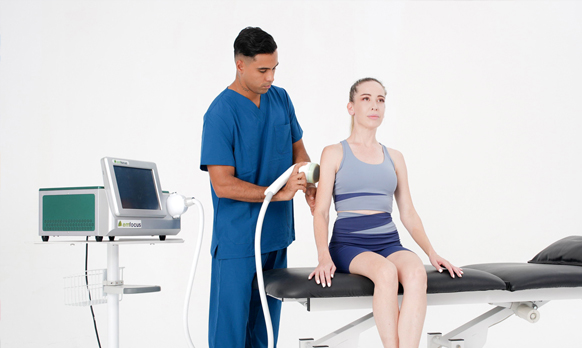
🔬 1. Focused Shockwave – EMFOCUS
Best for: deep tissue, bone conditions, chronic pain, ED
Highlights:
-
Up to 12 cm penetration
-
No gel pad needed
-
12.1” touchscreen
-
Preset clinical protocols
-
Comfortable, adjustable handpiece
Real feedback: One doctor in Cyprus reported 76% noticeable improvement and 83% satisfaction in 100 cases.
🌀 2. Radial Shockwave – INTELECT PULS 50
Best for: plantar fasciitis, tennis elbow, muscle soreness, sports rehab
Highlights:
-
2-in-1 shockwave + ultrasound therapy
-
Frequency 1–21Hz, intensity up to 10 Bar
-
13 treatment heads:
-
6 for pain
-
4 for fascia
-
3 for spine
-
Touchscreen, medical presets, easy to use

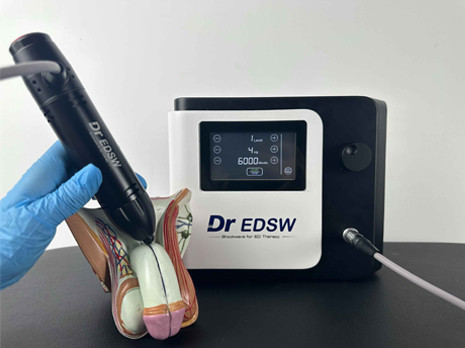
🏠 3. Home Device – DREDSW
Best for: self-care for ED or mild muscle pain
Highlights:
-
ED-focused preset programs
-
Standard or soft silicone heads
-
Compact, user-friendly
-
Ideal for home users or long-term personal therapy
Final Thoughts
Shockwave therapy has become a trusted tool in modern rehabilitation and pain management. Whether you're treating chronic conditions, recovering from injury, or simply exploring non-invasive therapy options, understanding the difference between focused and radial shockwaves can help you make smarter decisions for your care—or for your patients.
Still not sure which device fits your needs?
Feel free to contact us—our team is here to help you choose the right solution, provide expert support, or walk you through your options step by step.


